The foundation of any effective institutional evaluation lies in a clear understanding of the organization’s vision, mission, goals, and objectives (VMGOs). Every aspect of the institution’s operations should demonstrably contribute to the achievement of its VMGOs. Therefore, a well-defined vision and mission are essential to guide strategic decision-making and resource allocation. Ultimately, an institution’s success is measured by its progress towards its stated goals, not by comparison to external benchmarks.
VISION, MISSION, GOALS, AND OBJECTIVES
The quality of an institution’s academic programs is directly linked to the qualifications and expertise of its faculty. To ensure a high standard of instruction, the institution should recruit and retain faculty members who possess strong academic credentials, relevant experience, and a commitment to ongoing professional development. This fosters a culture of continuous learning and provides opportunities for faculty to enhance their skills and knowledge. Furthermore, the institution should implement fair and equitable practices for workload distribution and promotion to create a supportive and motivating work environment.
FACULTY
Curriculum and instruction drive student success, shaping both in-class and real-world learning. Understanding how students learn is crucial for effective teaching and program reputation. Evaluation in this domain should consider six key parameters:
- Curriculum design and program of study offerings.
- Instructional methodologies, teaching strategies, and opportunities for enhanced learning.
- Assessment practices that effectively measure academic achievement.
- Effective classroom management techniques.
- Graduation requirements that ensure student preparedness.
- Administrative support systems that facilitate successful instruction.
CURRICULUM AND INSTRUCTION
Students are the primary beneficiaries of educational institutions. Therefore, the school has a fundamental responsibility to collaborate with families and other social institutions to foster the holistic development of each student. A comprehensive program of student services is a vital component of institutional effectiveness, designed to support students in reaching their full potential and becoming well-rounded members of society. These student support services function in tandem with the academic program to provide a well-integrated learning experience.
SUPPORT TO STUDENTS
Research drives discovery, innovation, and technological advancement in education. A robust Research & Development program, aligned with national development goals, is vital. Strong leadership, sustained funding, adequate facilities, and collaboration are essential for research excellence.
RESEARCH
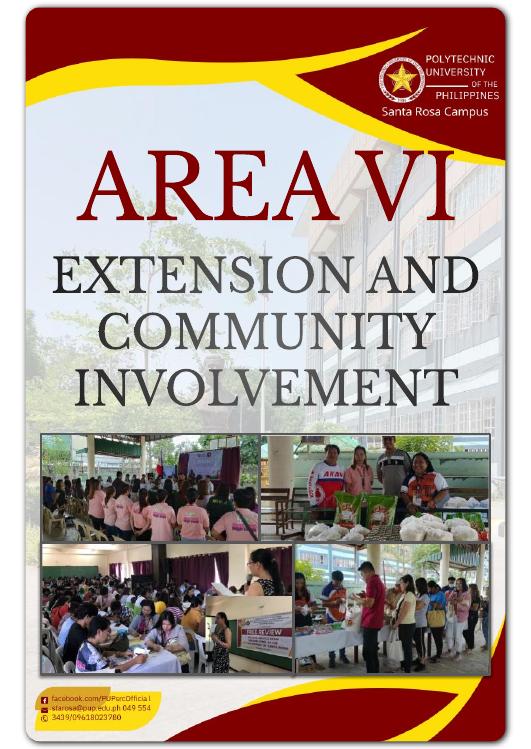
The extension program serves as the institution’s bridge to the community. By applying knowledge and technology to address local needs, it empowers individuals and fosters improvements in areas like economic development, health, and environmental management. Needs assessments guide program development, ensuring client-centered services with dedicated budgetary and resource allocation. Faculty act as experts, facilitators, and change agents, collaborating with other outreach agencies to avoid service redundancy.
EXTENSION AND COMMUNITY INVOLVEMENT
The library serves as the intellectual hub, providing resources and fostering knowledge utilization for transformative learning. Effective information management, from selection to access, is critical for institutional success across teaching, research, and all academic pursuits. Clear policies on information access and provision are essential, and the library plays a vital role in their development and implementation. Mirroring the institution’s unique vision and mission, the library defines its own specific role to support academic endeavors.
LIBRARY
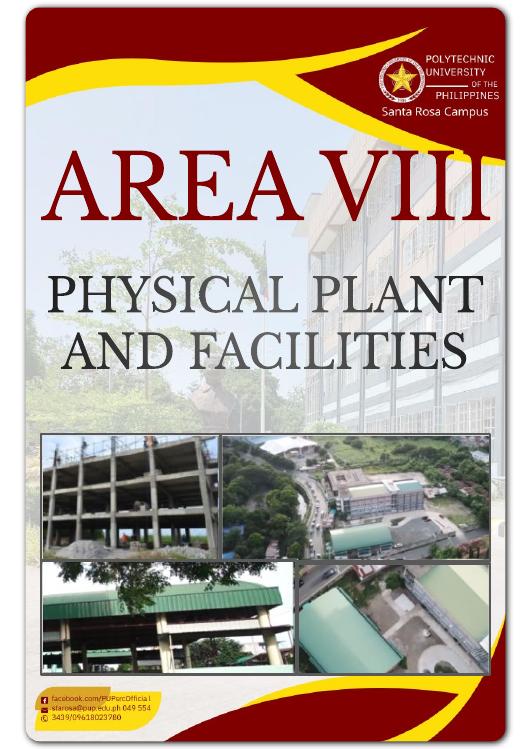
A learning institution’s physical plant, comprising buildings, equipment, and infrastructure, is instrumental in facilitating curriculum implementation and achieving institutional goals. These tangible assets directly support programmatic effectiveness, enhancing the overall learning experience and contributing significantly to the institution’s success.
PHYSICAL PLANT AND FACILITIES
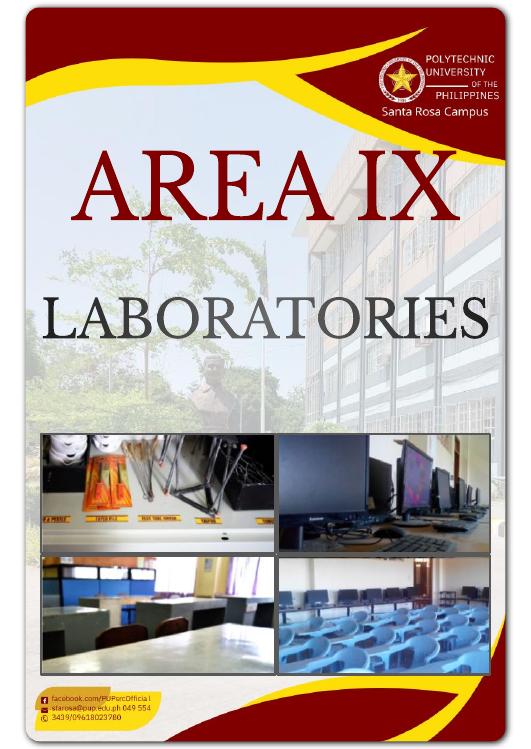
Laboratories, encompassing science labs, speech labs, workshops, and other specialized facilities, constitute indispensable support structures for academic programs. They provide the essential environments for hands-on practice, experimentation, and skill development, crucial for the effective execution and realization of curricular objectives.
LABORATORIES
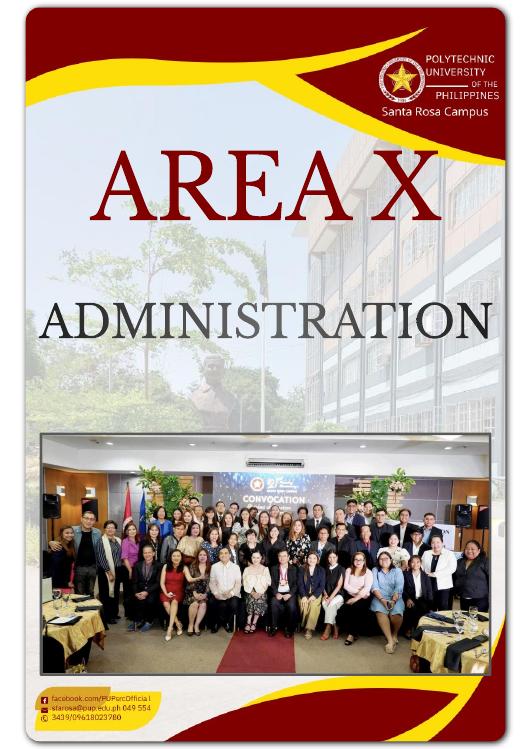
The administration serves as the operational core of the institution, propelling it toward its strategic goals. Its purview encompasses the institution’s overall functioning and performance. To this end, the administration establishes and oversees institutional processes, ensuring their seamless execution and alignment with the institution’s objectives.
 Polytechnic University of the Philippines